Plum & Blush
Welcome to the darker side of elegance. A curated portfolio showcasing high-end fashion styling, dramatic cosmetic still life, and a deeply passionate visual aesthetic tailored for premium brands.

Welcome to the darker side of elegance. A curated portfolio showcasing high-end fashion styling, dramatic cosmetic still life, and a deeply passionate visual aesthetic tailored for premium brands.

We craft dark, compelling narratives through styling and set design. Every texture, from crushed powder to sleek metallic casings, is meticulously arranged to exude modern luxury and sophistication.
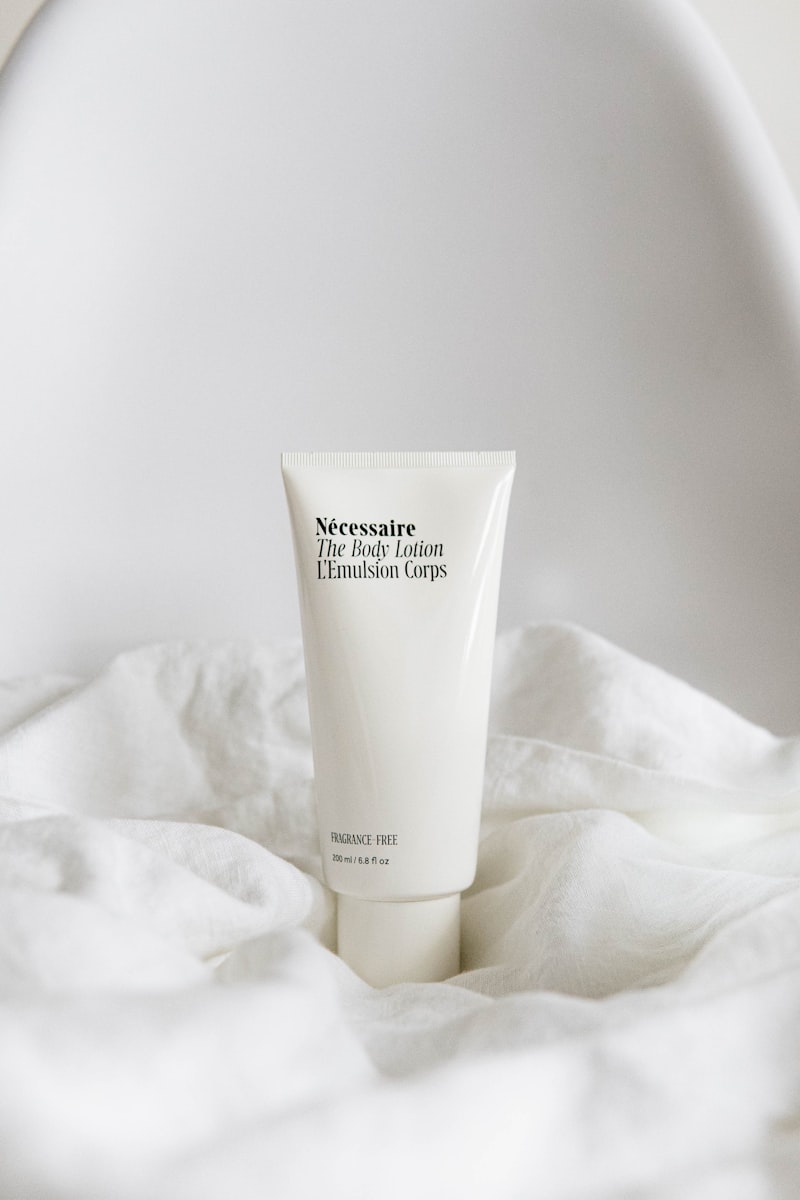
Elevating beauty items through the mastery of shadow and light. Our product showcases focus on the dramatic interplay of reflections, rich color palettes, and absolute pristine clarity.
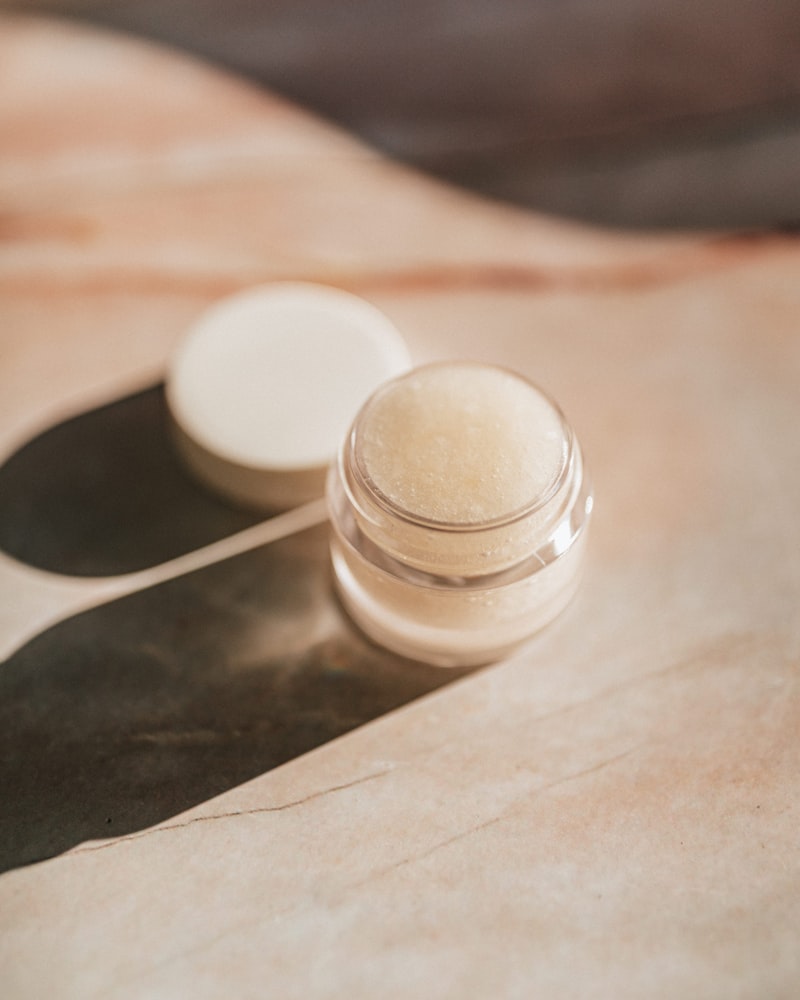
Establishing an unforgettable visual tone for your brand. We develop custom color grades, typographic pairings, and atmospheric layouts that instantly communicate premium exclusivity.
"The edgy, dark aesthetic they applied to our winter collection launch completely redefined our brand image. Exceptional attention to detail."
"A rare talent for making still-life products feel intensely emotional and luxurious. Plum & Blush is a masterclass in modern styling."
"Their dramatic use of lighting and deep color palettes made our fragrance line stand out immediately in a saturated market."
This Privacy Policy explains our policy regarding the privacy of information supplied by users or collected by us from users of this web site or from other third parties. Because we want to build users' trust and confidence in our privacy practices, we want to disclose them to you.
Changes in this Privacy Statement
If we decide to change our privacy policy, we will post those changes to this privacy statement, the home page, and other places we deem appropriate so that you are aware of what information we collect, how we use it, and under what circumstances, if any, we disclose it. We reserve the right to modify this privacy statement at any time, so please review it frequently. If we make material changes to this policy, we will notify you here, by email, or by means of a notice on our home page.
Registration Newsletter/ Frequency of Mailings
By registering to our newsletter, you are agreeing to receive our newsletters on a daily basis. Washingtonus.com has the right to change frequency of delivery of its newsletters without notice.
Collection and Use of information
We respect your right to privacy. Washingtonus.com received your information from your submission to us or through one of our affiliates. Washingtonus.com is the owner of the information that you provided in any registration process. Your email address and any other identifying information that you give us will not be revealed to any third party, including any of the direct marketers who may use us to pass offers to you.
We use the information that you provided primarily to send you our newsletters. Moreover, the information subscribers give us is sometimes used to send prizes, verify legal age, and to send third-party mailings based on the interests that each individual subscriber has opted-in for. We may also collect and report to third parties (such as affiliates, content and service providers, and advertisers) aggregated information from our web site. For example, we may aggregate and report to third parties that X people purchased a particular product during a month, or that Y% of visitors to this web site are between the ages 25-34.
From time to time, we may provide you the opportunity to participate in contests or surveys on our site. If you participate, we will request certain personally identifiable information from you. Participation in these surveys or contests is completely voluntary and you, therefore, have a choice whether or not to disclose this information. The requested information typically includes contact information (such as name and shipping address), and demographic information (such as zip code).
As is true of most web sites, we also gather certain information automatically and store it in log files. This information includes internet protocol (IP) addresses, browser type, internet service provider (ISP), referring/exit pages, operating system, date/time stamp, and click stream data. We use this information, which does not identify individual users, to analyze trends, to administer the site, to track users' movements around the site and to gather demographic information about our user base as a whole. We do link this automatically-collected data to personally identifiable information like IP addresses and email addresses. However, this is solely for internal uses and used to verify appropriate registration methods.
Finally, Washingtonus.com may disclose subscriber information in response to subpoenas, court orders, and other legal processes.
Children
We are committed to the safety of children and do not intend to collect personally identifiable information from children under age 18. If you are under age 18, please ask your parent for permission before sending any information to our site or anyone else online. Have your parent contact us as indicated below in order to provide us with prior written consent. We will not intentionally use personal information from or send marketing communications to children under age 13 without prior parental consent.
Cookies
A cookie is a small text file that is stored on a user's computer for record-keeping purposes. We do not use cookies on this site. This privacy statement covers the use of cookies by this site only and does not cover the use of cookies by any advertisers.
Aggregate Information (non-personally identifiable)
We maintain the right to share aggregated demographic information about our subscriber base with our partners and advertisers. This information does not identify individual subscribers. We do not link aggregate user data with personally identifiable information.
Third-Party Links
For your convenience, our newsletter contains links to third-party web sites that are not owned or controlled by us. We are not responsible for the privacy practices of these other web sites. We encourage you to note when you follow links in our newsletters and to read the privacy statements of these other web sites. We encourage you to be aware when you leave our newsletter and to read the privacy statements of each and every web site that collects personally identifiable information. This Privacy Policy applies solely to information collected by Washingtonus.com
Security
We use certain efforts to secure our web site. We will periodically review our security policies and implement changes from time to time. However, we cannot and do not guarantee complete security, as it does not exist on the Internet. If you have any questions about security on our web site, you can send an email
Business Transitions
In the event Washingtonus.com goes through a business transition, such as a merger, acquisition by another company, or sale of all or a portion of its assets, your personally identifiable information will likely be among the assets transferred. You will be notified via prominent notice on our web site prior to any such change in ownership or control of your personal information.
Choice/Opt-out
If you no longer wish to receive our newsletter and promotional communications, you may opt-out of receiving them by following the instructions included in each newsletter or communication or by emailing us
Acceptance of Terms
By subscribing to our newsletter, you agree to the Privacy Policy. If you do not agree to this policy, please do not subscribe to our newsletters. We reserve the right, at our discretion, to change, modify, add, or remove portions of this policy at any time. All Privacy Policy changes will take effect immediately upon their posting on the site. Please check this page periodically for changes.
Contact Us
If you have any questions or suggestions regarding our privacy policy, please contact us
Washingtonus.com serves as an informational service only. The inclusion of a link on this web site does not imply Washingtonus.com endorsement of the linked site nor does Washingtonus.com accept any responsibility for the content, or the use, of such site.
Washingtonus.com is not responsible for the offers or goods supplied by vendors. Washingtonus.com has no control over the legality of any coupons or other offers made by vendors, the ability of any of the vendors to complete the sales or transactions in accordance with the offers, or the quality of the goods offered by the vendors. In the event you have a dispute with a vendor in any way relating to this site or the use of information from this site, you agree to waive and release Washingtonus.com from any and all claims, demands, actions, damages (actual and consequential), losses, costs and expenses of every kind and nature, known and unknown, disclosed and undisclosed relating to that dispute.
It is your responsibility to verify independently that any merchant you are doing business with is legitimate and reputable. Before participating in any specific offers and/or promotions, please analyze the details and conditions of the offer including the fine print. Any access to or use of this site shall be deemed your agreement to and approval of all the above terms and conditions.
Washingtonus.com and the Washingtonus.com service, and all materials and information contained on it, and any services or products provided through it are provided "AS IS" without warranties of any kind, express or implied, INCLUDING WITHOUT LIMITATION THE IMPLIED WARRANTY OF MERCHANTABILITY, fitness for a particular purpose, expectation of privacy (unless discussed on our Privacy Policy) or non-infringement. any warranty for information.
Washingtonus.com is not responsible for any damages, including without limitation, any special, indirect, incidental or consequential damages, that may arise from any use of, inability to use, or reliance on the site and/or the materials contained on the site whether the materials contained on the site are provided by the Washingtonus.com, or a third party.
The above disclaimer of liability applies to any damages or injury caused by any error, omission, deletion, defect, interruption, failure of performance, delay in operation or transmission, computer virus, communication line failure, theft or destruction or unauthorized access to, alteration of, or use of record, whether for breach of contract, negligence, tortious behavior, or under any other cause of action.
Information on this web site may contain technical inaccuracies or typographical errors. Washingtonus.com may make updates, improvements and/or changes in the products and/or information described at any time without notice. Washingtonus.com does not guarantee the accuracy or completeness of the information contained in this site. This site contains links to sites which are not maintained by Washingtonus.com . We are not responsible and have no control over the content of those sites nor do we guarantee the content of such sites. All products, services, and deals mentioned by this site are provided by third parties and are subject to change without notice and are subject to restrictions, limitations, availability, conditions, and qualifications.